EV charger
Charge your electric car at home, usually cheaper than on the road. It can be financed within your regular borrowing capacity.



Charging on your own driveway
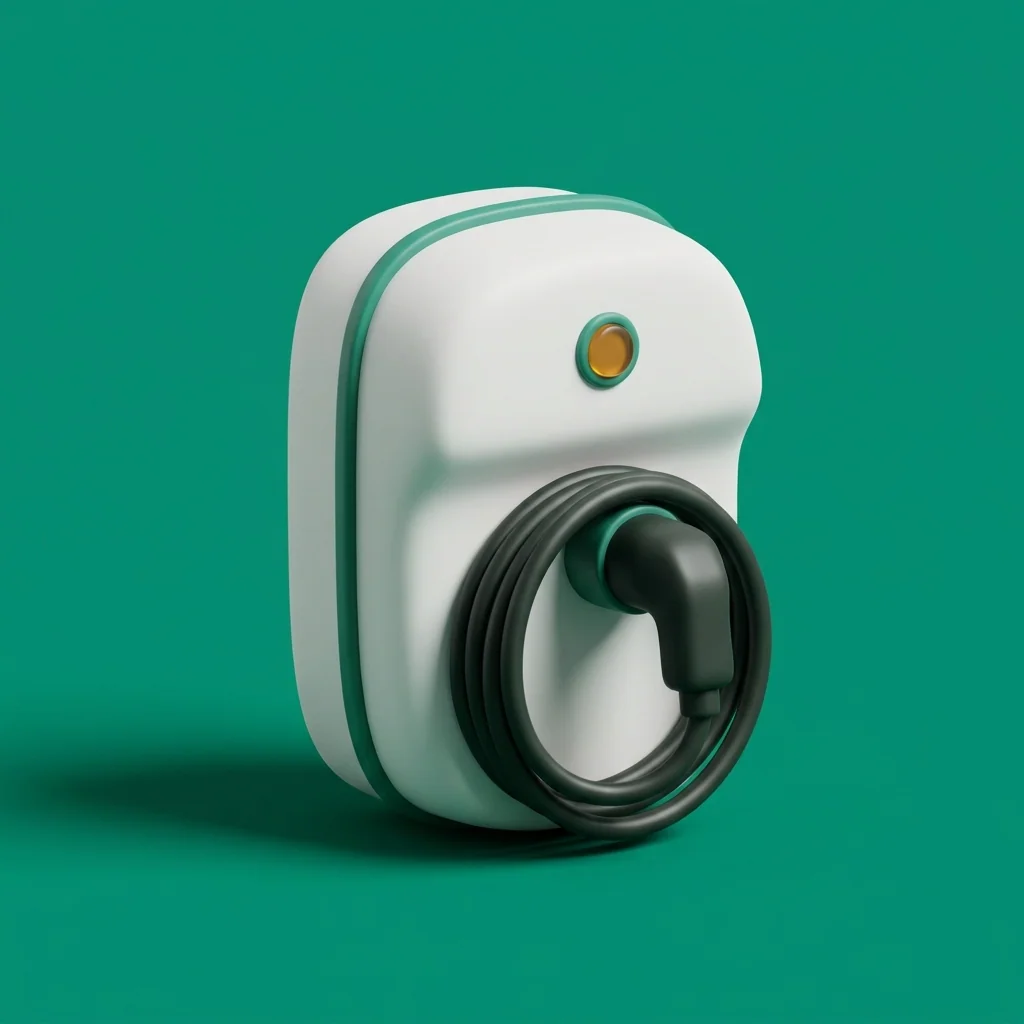
A charging point or wallbox charges your car faster and more safely than a regular socket. With smart charging you charge when power is cheap or your panels are generating a lot.
What you choose
- Single-phase or three-phase charging, depending on your fuse box
- A fixed cable or a socket for your own cable
- Smart charging on solar power or a dynamic contract
- A separate meter if your employer reimburses charging costs
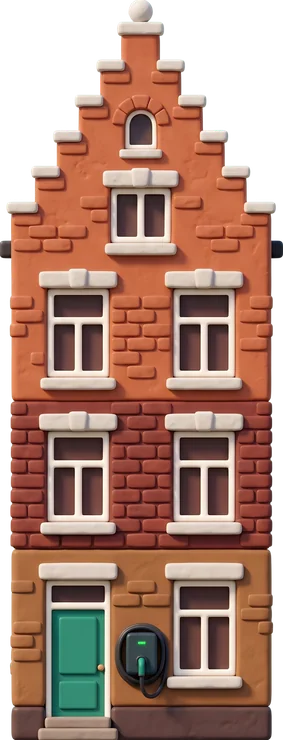
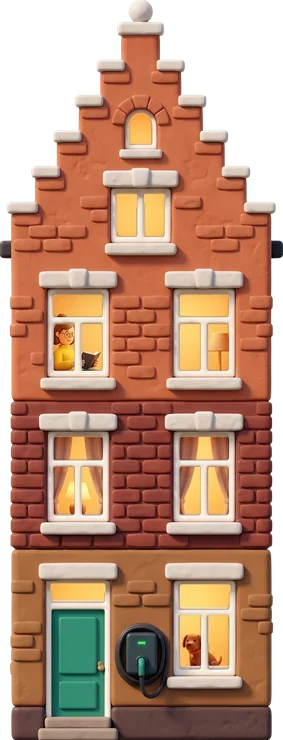
Affordable charging at home
Charging at home is usually cheaper than at a public charger. How much you save depends on how much you drive and your energy contract.
- Lower charging costs than on the road
- Charge whenever it suits you
- Easy to combine with solar panels
- In the same increase as your other measures
Before you start
- Have your fuse box and connection checked to see if they can handle charging.
- You need your own driveway or parking space at your home.
- Company car? Ask whether your employer reimburses the charging costs.
- Have the charger connected by a certified installer.
How to finance it with groenbudget
This measure doesn't count for your energy label. You can still finance it, within your regular borrowing capacity. If you combine it with a measure that improves your label, we include both in the same increase.
There is no national subsidy for a home charger. A charger doesn't count for your energy label, so we include it within your regular borrowing capacity.
- We calculate with the amount from your installer's quote
- Everything in one mortgage increase, no separate loan
- Repay over 30 years (lowest monthly payment) or 15 years
- Paid out through a construction deposit, based on your installer's invoices
Questions about this measure
Do I need three-phase power?
Not always. Three-phase charges faster, but for most people single-phase overnight is enough. Your installer checks what your fuse box can handle.
Does a charger count for my energy label?
No. A charger doesn't change the energy use of your home itself. You can still finance it, within your regular borrowing capacity.
Can I charge on my own solar power?
Yes, with a smart charger. It prefers to charge when your panels are generating.
Other measures
Combine as you like. Everything you have done goes into one application.
Solar panels
A lower power bill from your own roof.

Heat pump
Less or no gas, lower heating costs.

Insulation
More comfort and lower heating costs.

Glazing and frames
Less heat lost through windows and doors.

Ventilation
Fresh air without losing heat.

Shower heat recovery
Warm showers using less energy.

Home battery
Get more out of your own solar power.

Air conditioning
Cool in summer, extra heat in winter.
You start through your installer
Your installer sends you a personal link, with your quote already filled in. Not sure whether your installer participates? Email us.
See how it works